In June 2026, the Erasmus+ SEED partnership travelled to Malawi for an intensive week of learning, collaboration and community engagement. SEED brings together universities and partners from Malawi, Zambia and Europe to strengthen higher education’s contribution to climate resilience, sustainable livelihoods and local development.
From Lilongwe to Mzuzu
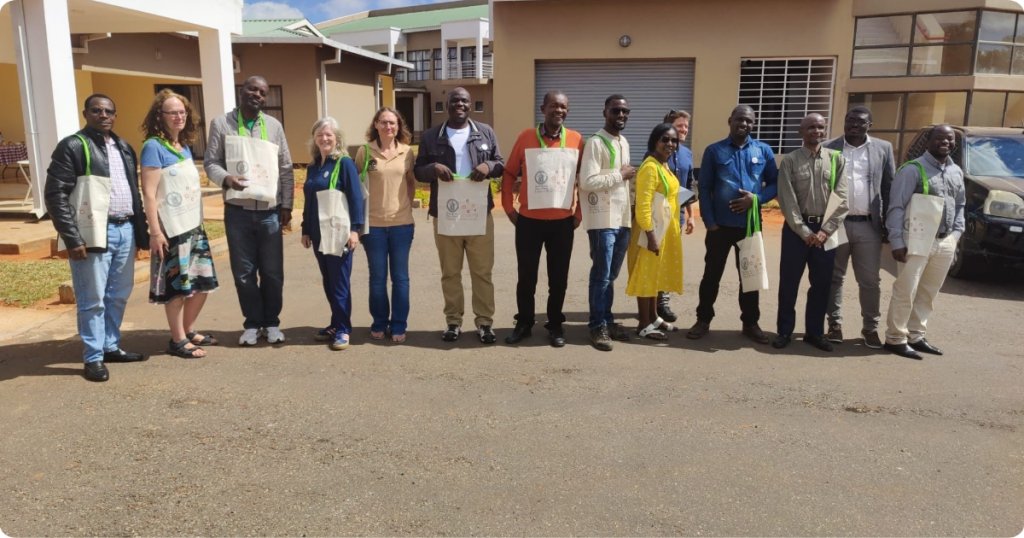
Our journey began in Lilongwe, where SEED partners met representatives of Malawi’s National Council for Higher Education (NCHE). Microcredentials are still an emerging area within the Malawian higher education landscape, making this an important opportunity to discuss quality assurance, recognition, credits, certification and their potential relationship with the Malawi Higher Education Qualifications Framework.
The conversation also opened a wider discussion about the development of national guidelines for microcredentials and the importance of ensuring that new, flexible forms of learning are both credible and recognised.
From Lilongwe, the partnership travelled to Mzuzu, working with colleagues at Mzuzu University and the University of Livingstonia. Across the week, partners shared and critically reviewed emerging microcredential ideas, explored institutional approval processes, considered digital readiness and worked together on how learning could be designed for different groups of learners.
Moving beyond the university
One of the most important dimensions of the mobility was moving beyond university meeting rooms.
Our journey to Livingstonia brought the questions we had been discussing into a very different context: would these learning pathways actually work for people in the places where the knowledge is intended to be used?
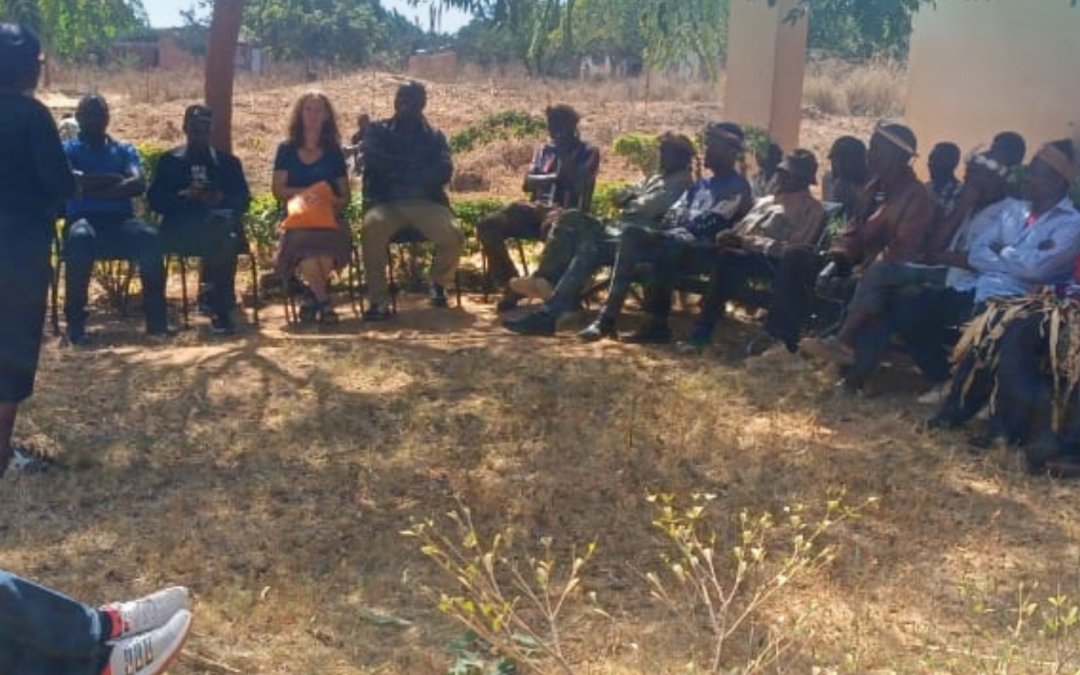
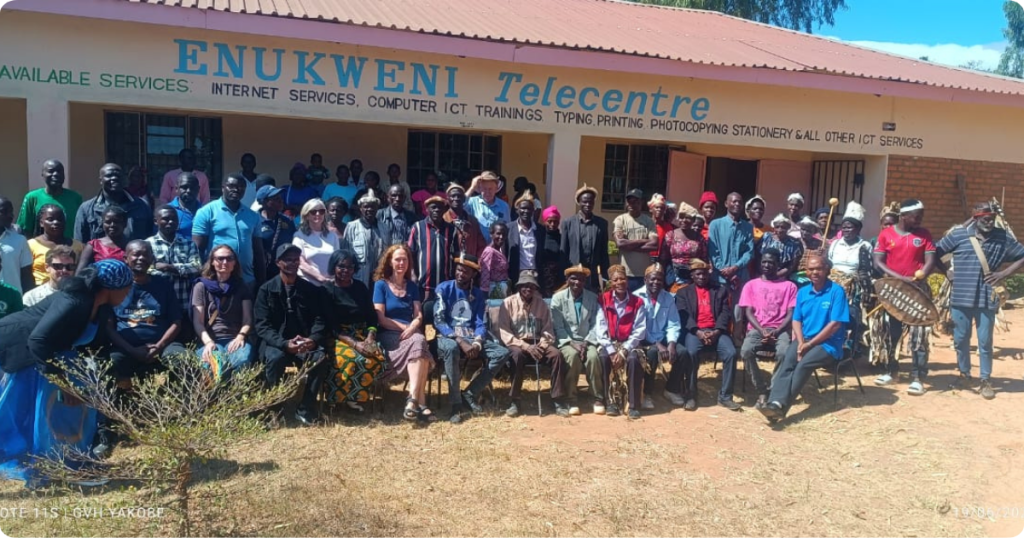
Engagement with the University of Livingstonia and surrounding communities reinforced that community relevance cannot simply be added once a course has already been designed. Local knowledge, livelihoods, language, access and the realities of learners’ lives need to inform learning from the beginning.
This became even more tangible in Nkhata Bay, where community engagement created opportunities to listen, exchange knowledge and build relationships with people whose experience is directly connected to the areas in which SEED is working. These encounters helped connect emerging microcredentials with the realities of implementation, including learner access, recruitment, community partnerships and practical learning.
Learning through partnership
By the end of the mobility, microcredentials had become about much more than developing short courses. The week highlighted how flexible learning can connect community knowledge and needs with practical skills, university quality processes and recognised learning pathways.
Perhaps the strongest lesson from Malawi was that meaningful learning pathways cannot be developed by universities alone. They depend on relationships between higher education institutions, national bodies, partners and communities — and on taking seriously the knowledge, experience and circumstances of the people the learning is intended to serve.
The mobility may have ended in June, but the next stage of SEED is already underway as partners continue developing, approving and preparing to pilot the emerging microcredentials.
Read more about the June 2026 Malawi mobility in our SEED Mobility Newsletter.