
SEED Microcredential Packages
Each SEED micro-credential package is designed as a practical, flexible learning resource that can support higher education staff and institutions in developing new knowledge, applied skills and context-responsive practices. The packages include study guides, presentations, readings, activity templates and assessment tasks that can be used as stand-alone professional learning resources or adapted into credit-bearing micro-credentials. Each package is structured to support blended and online-supported learning, with clear weekly guidance, learner activities and evidence-based tasks that can contribute to institutional change and sustainable development priorities.
Your content goes here. Edit or remove this text inline or in the module Content settings. You can also style every aspect of this content in the module Design settings and even apply custom CSS to this text in the module Advanced settings.
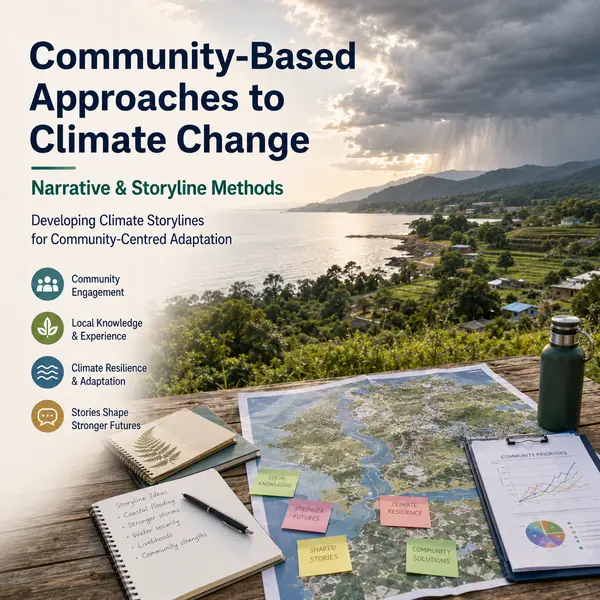
This 4-week, 5-credit micro-credential introduces participants to narrative and storyline methods for climate risk assessment and community-centred adaptation planning. It explores how climate storylines can help make uncertainty more understandable, connect scientific information with local and lived experience, and support practical decision-making.
Audience: Higher education lecturers, climate adaptation practitioners, postgraduate learners, researchers, community facilitators, NGO/humanitarian staff, planners and local governance actors.
Duration: 4 weeks
Workload: 50 notional learning hours
Credits: 5 credits
Resources: Micro-credential descriptor, study guide, weekly guides, presentations, readings, portfolio templates, storyline templates and final adaptation action brief template.
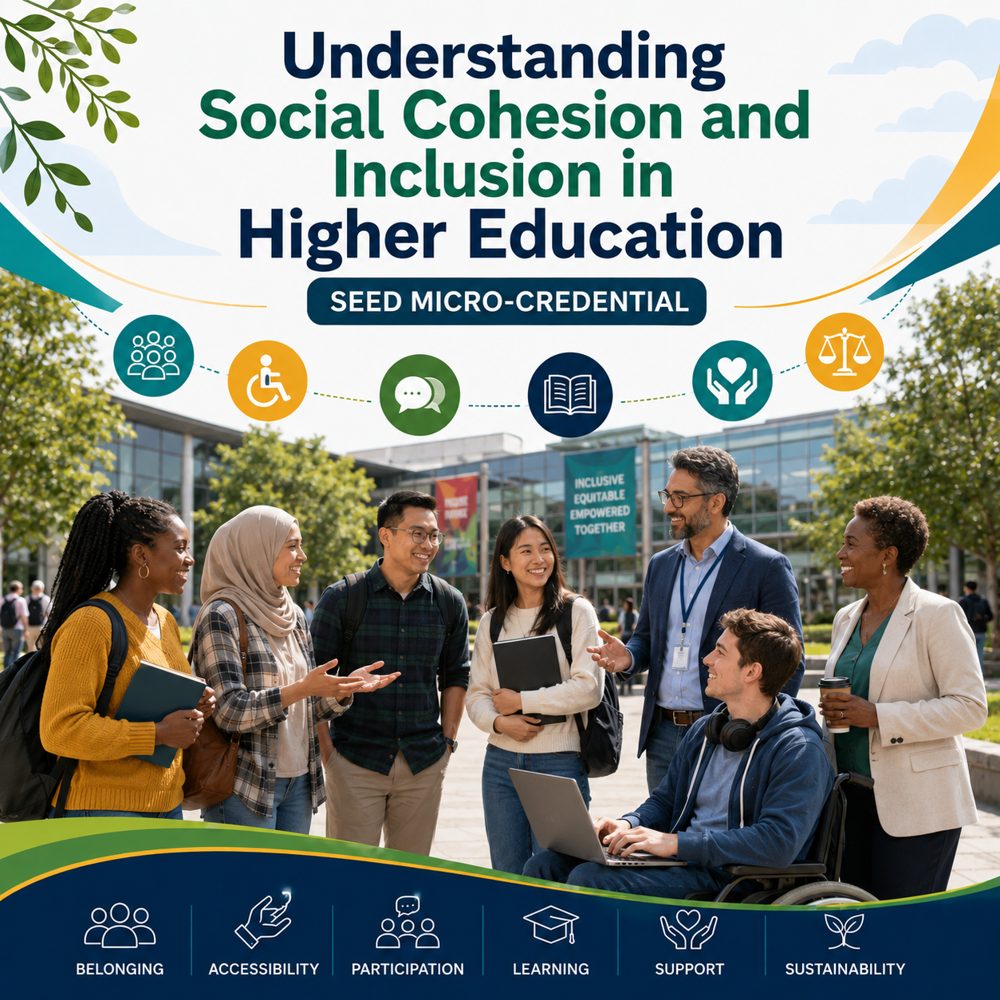
This 4-week, 5-credit micro-credential introduces core concepts of social cohesion, inclusion, equity and anti-discriminatory practice in higher education. It supports higher education staff to reflect on inclusion within their own institutions and to design practical, evidence-informed actions for more accessible and socially responsive learning environments. The course draws on global frameworks and the UNINA–SINAPSi Centre as a case study of inclusive institutional practice.
Audience: Lecturers, student support staff, academic developers, inclusion officers, administrators and institutional leaders.
Duration: 4 weeks
Workload:50 notional learning hours
Credits:5 credits
Resources:Micro-credential descriptor, study guide, weekly guides, presentations, readings, portfolio templates and final action plan template.
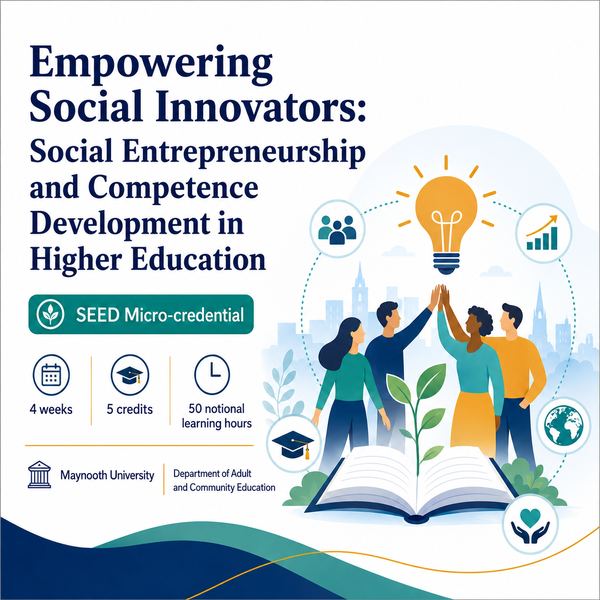
This 4-week, 5-credit micro-credential introduces participants to social innovation and community-based entrepreneurship. It supports learners to explore how enterprise ideas can respond to social, environmental and community needs in sustainable and inclusive ways. Participants will work through practical activities and reflection tasks to develop a socially responsive enterprise idea or action plan.
Audience: HE staff, students, community educators, project coordinators and emerging social entrepreneurs.
Duration: 4 weeks
Workload: 50 notional learning hours
Credits: 5 credits
Resources: Descriptor, study guide, weekly guides, presentations, readings, templates and final action plan.
Link: https://sites.google.com/view/seedmc2/home
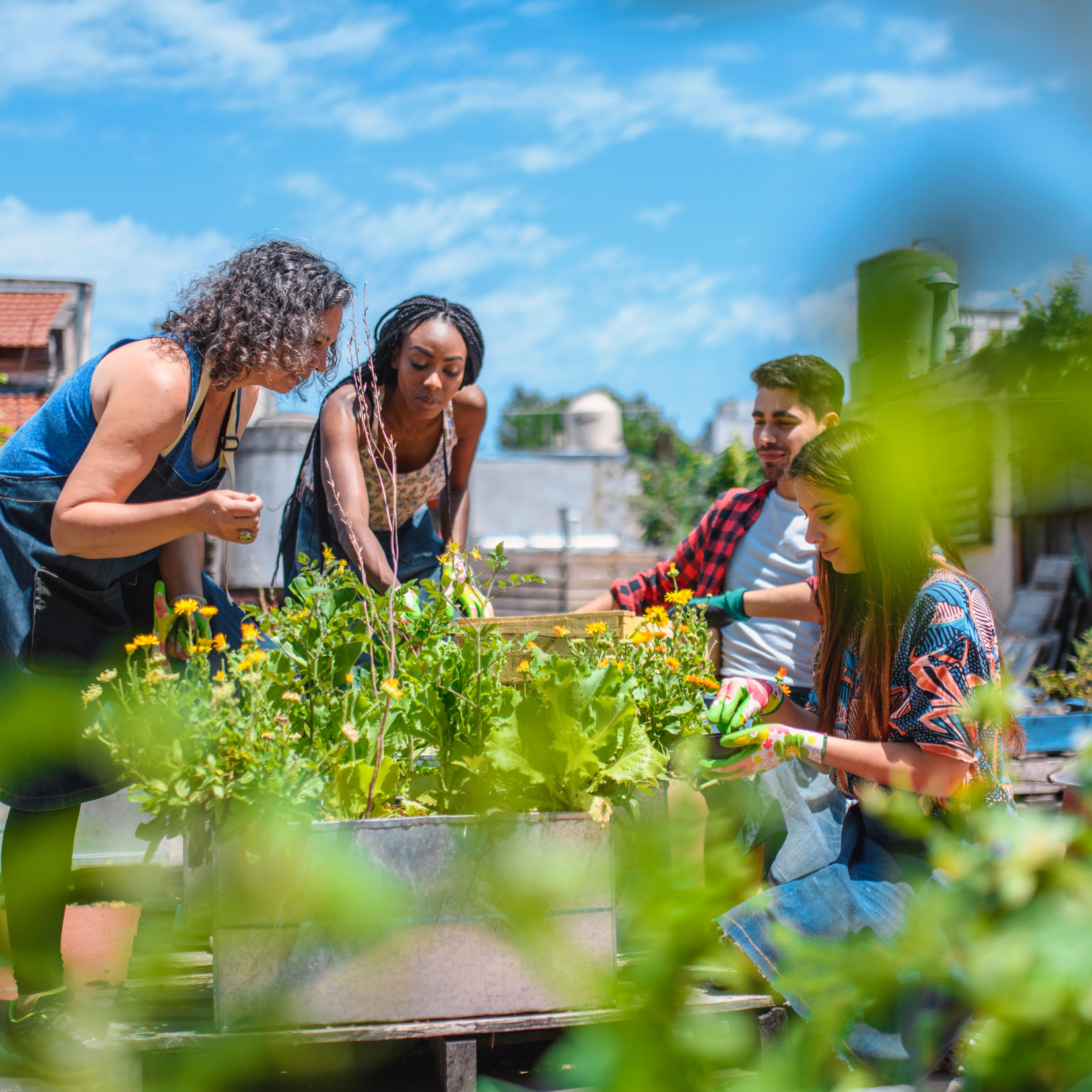
This 4–5 week, 5-credit micro-credential introduces learners to food systems, food and nutrition security, water security, climate-smart agriculture, and practical community-based responses to food-water challenges. It supports learners to explore how local knowledge, indigenous food practices, water-wise growing methods, digital tools and youth-led enterprise ideas can contribute to sustainability, resilience and community wellbeing. Participants work through practical activities and reflection tasks to develop a Food-Water Security Action Project or Community Enterprise Concept for their own context.
Audience: University students, community youth, young graduates, youth leaders, community facilitators and emerging community enterprise actors.
Duration: 4–5 weeks
Workload: 50 notional learning hours
Credits: 5 credits
Resources: Framework, study guide, module guides, presentations, readings, practical tools, activity templates and final Food-Water Action Project
Link: https://sites.google.com/view/foodsystems/home
This 4–5 week, 5-credit micro-credential introduces learners to rainwater harvesting as a practical response to water security, climate resilience and sustainable livelihoods. Learners explore approaches such as roof water harvesting, diversion furrows, greywater reuse, in-field water conservation and small-scale water storage. Through practical activities and reflection tasks, participants develop a Rainwater Harvesting Action Plan or Community Water Security Project for their own context.
Audience: University students, community youth, young graduates, farmers, community facilitators, youth leaders, extension officers and emerging community enterprise actors.
Duration: 4–5 weeks
Workload: 50 notional learning hours
Credits: 5 credits
Resources: Framework, study guide, module guides, presentations, readings, practical tools, design templates, case studies, field activities and a final Rainwater Harvesting Action Project.